With the upcoming trade deadline looming, there have been some historic trades that the Milwaukee Bucks have made. In some cases, it had a direct role in the two championships they won. In others, they were able to bring in some of the greatest players in NBA history.
5) Damian Lillard
In the 2023 offseason, the Bucks were involved in a three-team deal that brought in one of the 75 greatest players ever. Bringing one of the premier scorers is always a move that needs to be celebrated. He’s only played a season and a half, and he’s already recorded four 40-point games. There is still plenty of time for him to move higher on the list.
4) Jrue Holiday
In the 2020 offseason, the Bucks initiated another complex trade package that involved four teams. They did what was necessary to bring in one of the greatest two-way players in the league. In his three seasons with the Bucks, he was selected to the All-NBA Defensive team three times and was an all-star in 2023. He was such a valuable piece for the 2021 championship team.
3) Khris Middleton
I’m willing to bet you didn’t know where you were when this trade took place. No one could have predicted that he would end up becoming one of the most accomplished players in franchise history. In the 2013 offseason, he was traded by the Detroit Pistons for Brandon Jennings. Nearly 12 years later, he has the third most points and assists in Bucks history.
2) Terry Cummings, Ricky Pierce, and Craig Hodges
This trade brought some controversy. They traded away one of the cities favorite players. Marques Johnson was sent to the Clippers along with Junior Bridgeman, and Harvey Catchings. However, it didn’t take long for the city to fall in love with the players that were brought in. Terry Cummings remains one of the greatest power forwards the Bucks ever had, and Ricky Pierce gets my vote for the team’s greatest sixth man ever.
1)Oscar Robertson
All it took was Charlie Paulk and Flynn Robinson to acquire the greatest point guard up to that point. He immediately made an impact, and the 1971 Milwaukee Bucks had one of the most dominant seasons from start to finish. They broke a multitude of records from an offensive standpoint, and Oscar was a big reason why. Even in the late stages of his career, he was the best floor general a team could hope to have.
They felt pressed. There was urgency in making a move NOW! They heard all the noise that their franchise player was going to leave home for the bright lights of Hollywood. And they acted in desperation.
Of course, we’re talking about the 2017-18 season, the last year that LeBron James played with the Cavaliers. They were facing a similar situation that the Bucks are currently in. Both LeBron and Giannis were growing frustrated with their team’s failed attempts to build a championship roster.
The Cavaliers knew how important it was to finish the 2018 season strong. Prior to the trade deadline, they made a series of moves that made them look like a completely different team. They traded away 7 players. One of the transactions was a complex three-team trade that brought in players that served a temporary role.
They were of no use once LeBron ended up leaving in the offseason. The only purpose they served at that point was to rebuild. It took them four years before they were able to reach the playoffs again. The Milwaukee Bucks cannot make the same mistakes. Unlike LeBron James in 2018, Giannis is still under contract. There isn’t the possibility of losing him for nothing in the upcoming offseason.
There have been rumors that the Bucks could make a move to bring in a player like Bradley Beal. He is someone that could help in the scoring end, but he wouldn’t solve the biggest problem they have. They don’t have the same level of depth as the other top teams of the league do. By involving yourself in this transaction, you’ll be giving up the few assets you have outside of Giannis and Damian Lillard. Instead of taking a step forward, you’ll be taking two steps backwards.
That would only frustrate Giannis further, which could lead him to force his way out of Milwaukee. At this point, it’s best to let the season play out. The greatness of Giannis and Lillard gives you a chance to make a deep run in the playoffs. They have a good foundation in place to create something special.
I believe they are one piece away from being a juggernaut. The upcoming free agency class can give them the pieces needed to be the most dangerous team in the league. Bringing someone like Brandon Ingram or Jimmy Butler could make the Greek Freak very happy. All those trade rumors would be put to rest for good. That is where they need to keep their sights on, instead of making a move out of desperation. Sometimes the best move is to do nothing.
We knew they would eventually get to this point. Giannis and Damian Lillard are too good not to terrorize opponents on the offensive end. At the halfway mark of the season, we have enough sample size to say they are on the verge of making history.
Giannis is averaging 31.5 points per game, and Damian averages 25 points per game. It’s rare for a team to contain two players that average 30 points and 25 points per contest. At this point, only four other teammates have been to do it. Oscar Robertson and Jack Twyman were the first to do it. Jerry West and Elgin Baylor did it three times. Shaq and Kobe did it once in the 2002-03 season. The last pair of teammates to accomplish this feat was James Harden and Russell Westbrook in the 2019-20 season.
However, there is a downside to this exclusive list. None of the teams ended up winning a championship. In all six cases, they racked up all those points out of necessity. They were compensating for their team’s lack of depth. The same can be said about the Milwaukee Bucks. Their starting lineup looks like something that you would commonly see in the early 2000s.
Taurean Prince is averaging 7.3 points, and Andre Jackson Jr. is averaging 3.6 points per game. In the Y2K days, teams would have certain players who were “defensive specialists,” and they would let their star players handle all the scoring. It was a formula that sorta-kinda worked in that era, but it’s something the league has left behind a long time ago. All the great teams in today’s NBA have one thing in common: they have tremendous depth.
On a positive note, there are signs that they have just enough to give fans reasons to hope for a deep playoff run. They are currently in the top 10 in three-point field goals, opponents’ points per game, and defensive rating. When your role players are hitting threes and stopping teams on the other end at a high level, you have a formula for success.
On the negative side, we cannot ignore that they’re 0-8 against the top 3 teams in the Eastern Conference. They haven’t won a single game against the Celtics, Cavaliers, and Knicks. Against these incredibly deep teams, their star duo could only do so much. Instead of clinging to hope, there should be an urgency with the front office to come up with some deal to add some much-needed depth. History indicates that this is what they need if they want to win a title.
It’s a book that is counting down the 50 greatest teams, the 50 greatest playoff runs by a player, the 50 greatest playoff moments, and the 100 greatest players ever. However, I would like to say that this isn’t like a grocery list where it just lists the greatest teams and players. The book is pretty thick. I try to get as detailed as possible, but without giving irrelevant information or stuff that we already know as avid basketball fans. I really want the people to learn something new. So I did a lot of research about the teams and players so I can give them a basis on why they should be ranked in a certain spot on the all-time list.
Although my book is very opinionated, because I’m giving my take on where a team or a player should land, I try to steer away from giving my perspective on the players and teams. I give everyone the facts, and let them decide whether they agree with the rankings or not. I know this is all subjective. I don’t think my rankings are superior to others. So there’s no condescending tone. I understand why someone would think LeBron is the greatest player or that Kyrie’s shot is the greatest playoff moment ever. I don’t attack anyone’s point of view, and I think everyone should embrace the debate, but without being disrespectful. And I try to take the lead.
What do you base your rankings on?
I think this is an important question because every person has their own standard of greatness. We all value certain things from a player’s legacy over another. Some people value the player’s accomplishments and accolades, some people pay more attention to their advanced metrics, and some people are more inclined to use the eye test. For me, I try to look at the whole picture. I don’t favor one thing over the other really. But one thing I do care about personally is the way a player performs in the postseason. If they were capable of elevating their play and others as well when their team needed a victory. I think that’s the reason why they play the game. It’s to get your team to the promised land and win a championship.
With that said, it’s not reasonable to expect every great player to win the title. It’s important to consider the context of each particular season. If there were injuries or a lack of talent that the player had to compensate for. So we shouldn’t penalize some of the great players that didn’t win a title. But if they were able to perform at a high level, then that should help their case. We can take a look for example LeBron’s 2018 postseason run, or Oscar Robertson’s 1963 postseason run. They lost to superior teams, but they played incredibly well in defeat. And it speaks to their greatness, the fact that LeBron went to the Finals without any help, or that Oscar Robertson nearly beat a championship team by himself. So that’s going to get highlighted a lot when talking about their greatness.
Why did you include the greatest playoff runs by a player and the greatest playoff moments?
So all these lists that I have in my book have a purpose. They’re not just random chapters from the book. The whole purpose of this book is to determine the greatest players of all time. But there are so many layers to it that we have to dissect. If they were a part of a team that had an all-time great season, how did they affect winning for their team? Whether it was in the regular season that allowed their team to reach a certain number of victories, or in the postseason where they were able to carry their team to the title. And what if they were a part of a game-winning play in the playoffs that allowed their team to move on to the next round, or make the Finals, or better yet, win the championship. Those are all factors that have to be considered.
However, I can’t just say something simple like, “Michael Jordan helped the Bulls win 72 games in 1996 and were a part of one of the greatest teams of all time”. That’s too vague and it’s too simplistic. So instead of going on and on about these things in just one chapter, let’s categorize them so we can really go in-depth about these different factors. So once we get to their player profiles in the final chapters, we can talk about the nitty-gritty of their legacies, while also considering what was mentioned about them in the previous chapters. So we can say specifically that this player was a part of this many historic seasons, this many historic playoff runs, and this many all-time great playoff moments. And that will allow us to really get the whole picture of their legacies and give the most accurate rankings possible.
Are there any additional chapters in the book?
So there are two additional chapters, and they’re fun chapters in my opinion. So after I rank the top 50 teams of all time, I decided to do a playoff-style tournament to determine the official greatest team in NBA history. I decided to follow the blueprint of the college football playoffs. So the college football playoffs consist of the top 6 ranked teams playing for the national championship. I didn’t do a march madness type of tournament because it would get way too complicated and unrealistic. I didn’t feel like writing about if the 1967 Philadelphia 76ers would beat the 2014 San Antonio Spurs in a 7 game series. I would end up disrespecting these legendary teams that would just get crushed by the more modern teams. And if we get to the part of the tournament where the 1991 Chicago Bulls play the 1992 Chicago Bulls, then it’s like, what am I supposed to do about that?
So I just got the top 6 teams playing the playoffs, and I have a few “bowl games” where I talk about a few intriguing matchups. One of them is the 2013 Miami Heat against the 1992 Chicago Bulls. So we got a cool hypothetical series between Michael Jordan vs LeBron James that I think would be fun for the people to read.
The last one is a chapter I called, “The Ultimate NBA Endgame”. It’s inspired by the movie, Avengers: Endgame. I’m a big fan of the MCU movies, and I referenced a lot of their movies throughout this book. So I decided to dedicate a whole chapter to the premise of their biggest movie. While doing my research for this book, I read a few times where Bob Ryan would say something like this, “If Planet Earth were involved in a winner-take-all one-game basketball playoff against an alien invader, my first pick world would be (blank)”. And Bill Simmons wrote something similar in his Book of Basketball, where he did a chapter about vintage wine bottles and he picked certain seasons from a player to fill his 10-man roster.
So that was my inspiration to write this chapter. If Thanos and his black order army came to wipe off half the universe and challenged us to a winner-take-all game, and we had the GPS time travel watch to go back in time, which players would we choose? We want Michael Jordan, but are we going back to 1996 or are we going back to 1993 to bring him to the future to help us. So it’s a conversation that isn’t really a determining factor on where a player should land, but it should matter if there’s a certain player that you wouldn’t trust with your life. So it’s a fun, but yet important conversation to have.
It’s interesting that you mentioned Bill Simmons. Is it safe to say that the “Book of Basketball” was an inspiration for you?
For sure. It’s one of my favorite books, and it’s one of those books that are timeless. Even though it’s been over a decade since the book was released, it’s still something that you can go back to even though so many things have happened since then. I also wanted to write a book that people can go back to years from now and still enjoy it. I’ve had a few people who have compared my book to the “Book of Basketball”. That’s definitely a huge compliment for me. It’s a lot to live up to, but hopefully, I can reach that kind of success down the line.
So are you saying that you’re the next Bill Simmons?
I don’t know about that! But I will say this, imagine an alternate universe where Bill Simmons is a Lakers fan and his favorite player is Kobe Bryant? You don’t have to go to a galaxy far far away for that, because he’s right here.
Tell a little bit about yourselfso we can know what your background is
I’m 29 years old, and I’m originally from San Diego, California. Chula Vista to be exact. My dad transferred a lot from state to state, and we went wherever the money went. So I also lived in upstate South Carolina for about 8 years. I lived in a town called Seneca, which is about 15 minutes from Clemson. I lived in El Paso, Texas for about a year and a half. I lived in a little city called Socorro, which is in the El Paso district. We then lived in Pine Bluff, Arkansas for another year and a half. That’s a small city about 45 minutes south of Little Rock. Then we moved to Lexington, Kentucky. And I lived there for about 11 years. That’s where I met my wife, and we moved to a town in Indiana called Jeffersonville. It’s right across the border from Louisville. So I’ve been around.
As I mentioned, my favorite team is the Los Angeles Lakers, and it’s been my team since I could remember watching basketball, which was in the glorious 1999 lockout season. Kobe Bryant is my favorite player, and he’s the reason why I love the NBA. I was fortunate enough to have a dad that had tapes of NBA games from the 80s that he recorded on VHS, and he showed them to me and my brother, and I think that’s what helped me have such a love for the NBA and its history. He was a Celtics fan, and he had plenty of games that were televised on CBS that he recorded and he kept them. So I remember watching games where the Celtics played the Sixers, the Hawks, the Pistons, the Milwaukee Bucks, the Lakers of course, and the Chicago Bulls.
So that allowed me to have a deep respect for the legends of the past, and I’ve been studying the history of the league ever since. I feel like I have a pretty good knowledge of the history of the game, and I felt like I got to the point where I was qualified to write a book about a subject that requires that you know you’re history. But most importantly, that you have a love for it. A deep respect for it. So that allows me to give the most accurate rankings that I could possibly give without dismissing the greats of the past.
Christian Meyers, the author of The All-Time Greatest NBA Book, reached number 1 at Amazons kindle list for basketball books.
What are your top 10 greatest teams and players?
So my top 10 greatest teams are, 10) 1972 Lakers (9) 1971 Milwaukee Bucks (8) 2014 San Antonio Spurs (7) 1997 Chicago Bulls (6) 2001 Lakers (5) 1989 Detroit Pistons (4) 1987 Lakers (3) 1986 Boston Celtics (2) 1996 Chicago Bulls (1) 2017 Golden State Warriors.
As I mentioned earlier, the top 6 ranked teams duke it out in a hypothetical playoff tournament to crown the champion. So I certainly won’t give away who I think would go away with the crown.
My top 10 greatest players of all-time: 10) Tim Duncan (9) Shaquille O’Neal (8) Larry Bird (7) Kobe Bryant (6) Wilt Chamberlain (5) Magic Johnson (4) Bill Russell (3) Kareem Abdul-Jabbar (2) LeBron James (1) Michael Jordan
Do you think Steph Curry will make the top 10 now with the title that he won?
I had him at the 13th spot when the book was released. I haven’t thought that hard about it yet to be honest with you, but my gut is telling me to put him at the 11th spot. To oversimplify this, he just doesn’t have the longevity that everyone in the top 10 had. Everyone from my top 10 has had at least 10 all-star appearances and 10 All-NBA selections. They’ve all gone a whole decade where they were one of the best players in the league. At this point, Curry has 8 all-star appearances and 8 All-NBA selections. I believe it’s only a matter of time before he will be a top 10 player ever, but I don’t think that time is right now.
Where can people follow the work that you’re currently doing?
I am the creator of a YouTube channel called “Basketball Universe”. It’s essentially an extension of the book that I wrote. I love talking about the legacies of the players and linking the current events to the past. I make a video once a week from that platform. My YouTube channel is not about hot takes or starting debates. It’s very light-hearted and there are a lot of fun topics that are entertaining but informative.
I also have an NBA blog where I write mostly about current NBA topics that most media platforms aren’t discussing. I feel like their objective is to generate clicks and to create some kind of strong reaction from the readers. My goal is to create a unique perspective on the things that are happening in the league while also informing the readers about some well-researched statistics that might be overlooked by some fans of the game. This article will also be posted on my blog so people can follow my work.
Here are the links to purchase the book and view the Basketball Universe on YouTube:
That was a legacy shot that Jimmy Butler was going for.
There are a few instances where one shot can define a player’s career. Scoring the game-winning bucket in game 7 of the Eastern Conference Finals to push your team to the Finals is one of those moments that can make you a household name. It’s the main reason why Kawhi Leonard, a player that is not comfortable with showing his personality to the general public, is a widely recognized NBA superstar. That one shot against Jimmy Butler and the Philadelphia 76ers in 2019 helped fast-track his progress as someone who is indisputably one of the fifty greatest players in NBA history.
Jimmy Butler knew very well what a shot like that can do to a player’s career.
And he was already putting up a Kawhi Leonard-esque performance for the 2022 playoffs. He had a total of four forty-point games in the postseason, including an all-time great performance on the road in game 6 against the Boston Celtics. With the national media writing the Miami Heat off, he single-handedly kept the Heat’s season alive by putting up the stat line of 47 points on 54% shooting, 9 rebounds, 8 assists, 4 steals, and 1 block. If you wanted to buy Jimmy Butler stock, Friday night after that performance was the time to do it. All of a sudden, we were comparing Jimmy Butler to players who are in the pantheon of NBA greats. From Miami Heat legends like Dwyane Wade and LeBron James. We were even throwing Michael Jordan’s name around.
Think about how crazy all of that sounded? We’re talking about a player that has never been selected to the All-NBA 2nd team, let alone the 1st team, and that has never finished further than 10th in MVP voting. You can make the case that there hasn’t been a single season where Jimmy Butler was considered one of the top 10 best players in the league. And maybe… he was for just one season.
However, we can’t deny how great of a playoff performer he is. Being the leading scorer for a team that makes the Finals is a big deal. Outplaying the MVP of the league and only allowing him to win just one game in a playoff series is a huge deal. Producing a forty-point triple-double in the Finals against arguable the greatest player in the history of the league is even a bigger deal. He accomplished all of those things in the 2020 playoffs. Even if this did happen in the happiest place on earth, we can’t minimize how rare it is to be the best player on a team that reaches the Finals.
Here are the players that were selected to be in the NBA 75th team that never reached the Finals: George Gervin, Carmelo Anthony, Damian Lillard, Steve Nash, Dominique Wilkins, Pete Maravich, and *James Harden.
Three and a half years ago, it would have been moronic to even suggest that Jimmy Butler deserved to be mentioned in the same breath as those players. But just a few days ago, it was a real possibility. Maybe it was circumstantial that Butler led his team to the Finals in the craziest season in the history of the NBA. But doing it a second time leaves no doubts. It’s no accident. It proves that you are an all-time great basketball player.
So there Jimmy Butler was, with the ball in his hands, having to make a huge decision. Do you attack the rack with Al Horford backpedaling, or do you take the open three-point shot that would send your team to the Finals? But that moment was bigger than just the Miami Heat’s season. We’re talking about a legacy-altering moment. We’re talking about a chance that all players dream about as a kid. Making one of the biggest shots in NBA history. I’m willing to bet Jimmy Butler knew what that moment would mean for him.
Think about this for a second. Because of one shot, we’re debating if Kyrie Irving deserved to be in that all-time NBA 75th team. How many of us would take Kyrie Irving over Jimmy Butler right now to lead our team? I’m willing to bet no one would. But in every all-time greatest player’s list, you will see Kyrie Irving’s name somewhere there, and you will not see Jimmy Butler’s name. However, every single metric that is out there shows that Jimmy Butler gives more value to his team than Kyrie Irving does. The only thing that Kyrie has on him is scoring, and converting one of the biggest shots in NBA history. There’s no question that his offensive skill is all-time great, but that shot that he made in game 7 of the Finals validated all of that.
So maybe Butler saw a door that he never thought he would see open, and he decided to bet on himself. I can’t blame him for trying to seize a once-in-a-lifetime opportunity. I’m sure many of us would do the same if we were in his shoes. However, the shot that he ended up taking was just short.
Coincidentally, the same can be said about his playing legacy and how we will ultimately evaluate his career when it’s all said and done. We will look at his accolades, we will look at his career numbers, and we will say that he fell just short of making the next list of the top 100 players to ever play the game in the year 2037.
This leads us to our next point that goes against all conventional wisdom that you hear from sports pundits. The regular season absolutely matters in the NBA. It’s something that history has always taught us, but we consistently fail to recognize it.
Why is Wilt Chamberlain, in the eyes of many, one of the five greatest players in the history of the league with only two championship rings? Why is Oscar Robertson one of the 15 greatest players of all time with only two Finals appearances? It’s because of what they accomplished in the regular season. If you want a more modern example, why is Russell Westbrook arguably one of the 50 greatest players of all time? It’s because of how he has performed in the regular season. It helps offset his playoff failures, and he has had some major ones. Other than winning a championship, it’s the best security blanket a player can have. Since winning in the NBA is so hard, the next best thing you can do is to make the regular season count for something.
Jimmy Butler has failed to do that throughout his career. We’ve already mentioned some of the major regular-season accolades that he has failed to obtain, but there is something else that we can add to that. Did you know that Jimmy Butler has never finished in the top 10 in scoring? I mention that specifically because we all learned during this postseason that it was totally obtainable for him. He averaged over 30 points per game in the first-round series against the Atlanta Hawks, and he has had two games where he scored over 45 points. That’s the same amount of times that he has scored over 45 points during his career in the regular season!
How would his career have turned out if he was more aggressive in the regular season and decided to take more shots? Could he have been known as one of the greatest modern two-way players? Could he have been one of the few wing players that finished in the top 5 in scoring while also being selected to the All-NBA defensive team? Joining the same company of players like Michael Jordan, LeBron James, Kobe Bryant, and Dwyane Wade?! At this point, I don’t know if he was never good enough, or if he didn’t want to waste the energy on that.
But maybe those things go hand in hand. Maybe it’s only the all-time great players that can dominate the regular season, and then reach an even greater level in the playoffs when the intensity and pressure rise. Maybe Jimmy Butler is one of the most self-aware players out there and he knows the kind of talent he is. Maybe he knows he can’t score 40 points every other game for six months straight and then drag his team for another two months in the playoffs.
Or maybe… he’s self-consciously bought into the millennium way of thinking that the regular season doesn’t matter. That you can take breaks during the season to save your body for the playoffs. Whether it’s taking games off completely for load-management, or just taking a handful of shots in a meaningless regular-season game to save your legs for the postseason. Maybe… Jimmy Butler isn’t as old-school as we thought he was.
I don’t have the answers to why Jimmy Butler doesn’t always play like this. All we can judge him by are the results. The problem when your numbers in the regular season are so mundane is that you have to overachieve in the playoffs. It offsets the lack of regular season accolades that a player can have, which is a lot tougher to do. However, Jimmy Butler had the chance to be one of the first players of his kind. A player that was usually only an above-average player in the regular season, but then he turned into one of the best players in the league on the biggest stage. A one-year sample wasn’t enough though. We had to see it again before he could reach basketball lore. He bet it all on one shot, but he fell just short.
There is something that we haven’t seen from the NBA in nearly 20 years. The top three players in MVP voting are all big men. Nikola Jokic won the MVP award this season, and he’s a center. Joel Embiid finished second, and he’s also a center. Giannis Antetokounmpo finished third, and he’s a 6-11 power forward. However, according to basketball-reference.com, he played the center position for the Milwaukee Bucks 39% of the time. So he can play the center position for most teams.
When was the last time the NBA has seen three centers/power forwards finish in the top 3 in MVP voting? That was in the 2003-04 season. Kevin Garnett won the MVP award that season, Tim Duncan finished second, and Jermaine O’Neal finished third.
The NBA was a different league back in 2004. It was a league dominated by defense and low-scoring affairs. If you’re bored by all the blowouts that are happening in the conference finals right now, well then you would have wanted to pull your hair out if you were watching the Indiana Pacers and Detroit Pistons battle it out in the 2004 conference finals. There was a total of four games from that seven-game series where at least one of the teams didn’t score over 70 points! To put that in perspective, the Dallas Mavericks in game 2 against the Warriors scored 72 points in the first half.
So don’t worry! We’re never going back to that place where we were forced to watch Rasheed Wallace and Jermaine O’Neal back their opponents up while everyone stands around waiting for them to eventually settle for an 8-foot hook shot. The league has evolved to a much more score-friendly league where it’s dominated by skillful guards that can shoot the three from 8 feet behind the three-point line.
But hold up! Maybe that way of thinking has now been antiquated. No one’s debating that the three-point shot is no longer valuable, or that teams are moving away from shooting the three. In fact, teams are shooting even more threes than ever before. We keep seeing a steady rise of teams shooting more and more threes each year. However, the whole notion that you need to play small to be successful is no longer the case.
Five years ago, centers were almost like running backs. They were expendable. Their job was to grab rebounds and occasionally throw down a few lob passes. But if you couldn’t shoot the three-ball, then you were just a burden on the team. You were taking up too much space and not allowing the offense to flow the way it needed to. If they wanted to stay on the court, they needed to evolve to where they can be a three-point threat. We are finally seeing that evolution right before our eyes. Now we’re at the point where the best players in the league are all big men. But most importantly, they are the most valuable piece to have on your team.
Check out the top seven players with the highest win shares in the league.
Nikola Jokic – 15.2 WS
Giannis Antetokounmpo – 12.9 WS
Joel Embiid – 12.0 WS
Rudy Gobert – 11.7 WS
Karl-Anthony Towns – 10.3 WS
Trae Young – 10.0 WS
Robert Williams – 9.9 WS
That is a total of six players who are centers/power forwards in the top 7 that led the league in win shares. And the top five players are all 6-11 or taller.
This is the next evolution of the league. No one’s expecting their seven-foot big man to shoot eight three’s a game as if they were Steph Curry, Trae Young, or Luka Doncic. That would be counterintuitive. Why would you want Joel Embiid standing behind the three-point line at all times when he can get you a few easy points in the paint? But look at what they’re doing to defenses when they shot only three to five three-pointers a game. They are creating more easy opportunities for their team and for themselves. So not only are they creating value on the offensive end, but they still remain as the team’s primary rebounder and rim protector. That’s something that undersized players can’t compete with.
We saw how unstoppable the Lakers were in the 2020 playoffs when they added a player like Anthony Davis that could do all the above. We saw what Giannis was able to do with the little talent that he was surrounded with in 2021. As much as I like Khris Middleton, he’s not exactly a top 15 player in the league. Imagine what he could do if he decided to make his job a little easier by joining another superstar? Imagine how unstoppable the Denver Nuggets will be when Jokic also is paired with a top 15 player in the league? We saw what the Denver Nuggets did in 2020 when Jamaal Murray was healthy. Imagine what the Sixers can do when they finally get a player that doesn’t refuse to shoot a shot in a series-deciding game with their season on the line? And imagine how scary the Minnesota Timberwolves will be once Anthony Edwards takes that next leap in his career?
So those of us who have decided to suffer through the blow-outs and watch the playoff games, maybe we need to realize what we are watching. This could be the end of an era. If Golden State doesn’t pull a “2016-type” meltdown, they could be the last team that we see for a while that wins a championship as a true small-ball team. Steph Curry will be 35 years old when the 2023 playoff starts and Klay Thompson will turn 33 years old next season with two major injuries that will eventually take their toll on his body. Their reign will soon be over.
To the delight of our beloved analysts, Charles Barkley and Shaquille O’Neal, the big man is starting to rule the NBA again. They might not look and play like the traditional big man of their era, but they have evolved according to the way the league is being played today. That’s the way time works and it’s the way the world works. Nothing should ever stay the same, but history is always bound to repeat itself. Some of us might have never thought we would live to see the day, but the NBA once again belongs to the giants of the game.
The answer is yes. The NBA has been around for 75 years, so of course, we’re going to find a team that had an epic collapse after a dominating regular season. The most recent example came 15 years ago when the Dallas Mavericks got bounced from the first round by the “We Believe” Warriors. The Mavs won 67 games that year, they reached the Finals the prior year, and they had Dirk Nowitzki, the MVP of the league. They lost to a team that won only 42 games and that barely reached the playoffs. However, the Warriors eliminated the Mavericks in dominating fashion. They won the series by an average margin of nearly 15 points per game. The Mavs lost in six games, and the Warriors blew them out on their home floor by 25 points.
And the league was going to award the MVP to a player after losing like that? After suffering the worse playoff defeat in history?! Not the best way for an MVP to end its season.
We were shocked when it happened to that juggernaut of a team, and we are shocked that the Phoenix Suns lost the way they did on Sunday evening. The Phoenix Suns have a lot of similarities to the 2007 Dallas Mavericks. They also reached the Finals in the previous season, and they lost after holding a 2-0 lead in the series. They came back the next season with a vengeance and they both ended the season with the best record in the league. In fact, there wasn’t a single team in the league that was on the same level as the Suns were. They finished with 8 more victories than the second-best team in the league, and with 11 more victories than the best team in the Eastern Conference. They had all the makings of an all-time great team.
Here’s what they accomplished: It was going the whole month of November without losing a game. They won an NBA best 18 straight games, which is something that only 15 other teams have been able to accomplish since the shot-clock was implemented. Then before the all-star break, they won 11 straight games. It’s ending the season with a franchise-record of 64 wins, which is something that only 21 teams in the history of the league have accomplished. They were winning at an all-time rate because no other team had the kind of depth that the Suns had. They had 6 total players during the regular season that averaged over 10 points per game, including two other players (Jae Crowder and Javale McGee) that averaged just below double-figures. Their advanced metrics weren’t exactly eye-popping, but they did just enough dominating to easily make the top 35 teams in the history of the league. Think for example the kind of the season that the 2008-09 Los Angeles Lakers had. That was the ceiling that I envisioned this team having.
They needed to win a championship if they wanted to be in that company, and they needed to reach the Finals if they wanted to be remembered as one of the greatest teams to not win the title. History was in their grasp. The sun was shining bright on this young and hungry team. *See what I did there? Then the playoffs came around, and this team looked nothing like the team that was racking up wins after wins in the regular season. They ended up losing to a team that revolved around one great player, and they lost at their home court by a margin of 43 points. It had all of us shaking our heads. What happened to this team? How can one explain why this team lost all its mojo so quickly?
Maybe it was the injury of Devin Booker in the first-round series that screwed up their momentum. Maybe it’s the undisclosed quad injury that not so mysteriously just happened to come out about Chris Paul. Maybe that’s why it seemed like Chris Paul looked like a 37-year-old point guard who just recently was compared to a traffic cone that can’t guard anybody. Or maybe the Suns were the beneficiaries of a league that had zero teams that won over 60 games, and that had only one team that won over 55 games. In the words of the head coach of another disappointing Arizona team, Dennis Green, “They are who we thought they were! And we let ’em off the hook!”
There are hundreds of theories that you have surely heard in the past couple of days. It’s logical to presume that it’s most likely a combination of all the things you are hearing. I have one extra theory to throw out there to the never-ending loop of sports takes that are circulating around us like an F-5 tornado. You ready? It’s that your team is only as good as your best player. How original, am I right?
But were we really convinced that Devin Booker was ready to be the best player of a championship-winning team? Were we right to just assume that Chris Paul was going to be able to turn back the clock for the 20th time after playing nearly 1,300 hundred games for his career? Sure he can do it a few times during a playoff run, but was it right for some of us to think a 37-year-old was going to win Finals MVP? Something that’s only happened once in the history of the league? Who do we think he is, Kareem Abdul-Jabbar?!
That’s not to say that Devin Booker isn’t one of the top players in the league. He will surely finish somewhere in the top 6 in MVP voting, and he would get my vote to finish on the All-NBA 1st team. But do we think he will finish his career as one of the 75 greatest players to ever lace them up? That’s something that all of the other 21 teams that won over 64 games in the regular season have in common, with the exception of the 2005-06 Detroit Pistons. They all had a top 50 player that was at the height of their powers. That’s why it’s no surprise that all of the teams, with the exception of the 2007 Dallas Mavericks and the 2016 San Antonio Spurs, were able to at least reach the conference finals.
History doesn’t lie. Behind every all-time great team was an all-time great player pushing their team after each round and refusing to let their team lose. And for the majority of the cases, we’re talking players that are somewhere in the top 35 players of all time. Some of them fell short, but they were at least going to go down with a fight. None of them ended their season by losing over 40 points at their home floor. So I ask you this, 10 years from now, are we going to be that surprised that Luka Doncic was able to knock out Devin Booker and the Phoenix Suns in a 7-game series? 10 years from now, where will Luka Doncic rank historically and where will Devin Booker rank? One player is the next Larry Bird and one player is the next Kyrie Irving. After all the smoke clears, maybe this will all make sense and we would be wondering why this was such a shocker.
History is also destined to repeat itself. Let’s look back at the 2007 Dallas Mavericks again as an example. After suffering that humiliating defeat against Golden State, they could never repeat that same success and were a mediocre team for the next three years. It wasn’t until 2011 when the Mavericks totally changed their squad and took advantage of a small window of opportunity to win a title. There’s reason to believe that the Phoenix Suns might go through something similar.
There are question marks concerning Deandre Ayton’s future, and if the Suns would be able to convince him to re-sign with the team this offseason. He is the team’s second-leading scorer and the team’s leading rebounder. Then there are the uncertainties of Chris Paul. He averaged a career-low in points per game this season, and we shouldn’t expect him to have many all-star caliber seasons left in him. Father time is knocking at the door, and it’s only a matter of time before Chris Paul falls off. So will the Suns become just a one-man show on offense? And wasn’t that their situation three years ago before Chris Paul showed up? In all fairness, the Suns did just fine when Chris Paul missed 15 games in the second half of the season, so they weren’t very dependent on him to succeed. But losing Deandre might be enough to bring this team back to earth.
I’m not willing to say just yet that their days of being title contenders are over. One big free-agent signing can change all of that. And we all know that the foundation is there for this team to be great. But you only get one or two chances to make history. And I believe they blew a once-in-a-lifetime opportunity to enter basketball immortality. Now they will forever be remembered for all the wrong reasons.
Let me paint the picture. You’re playing for a team where you get to take all the shots that you want, but your team is mediocre. You just don’t have enough talent surrounding you, so you’re struggling just to make the playoffs. The good thing is that you’re one of the leading scorers in the league, so that gives you more than enough reason to get a nice little payday from any team that you wish to play for. You could stay with your team to get the max amount of dollars, but you decide to team up with another superstar to play for a chance to win the title.
There are many ways to go about that. You could play hard all season long and simply ask for a trade in the offseason or sign with another team if your contract has expired. Or… You could decide to not train in the offseason, eat all the chicken wings you want (#bodypositivity), and make various appearances at the Gentleman Clubs instead of improving on your game. Or…. Now hear me out…. You could simply express to your team that you’re not going to play for them. Even though you signed a legal contract worth hundreds of millions of dollars stating that you would. You can show up begrudgingly to training camp just to dribble the ball around a few times so you don’t lose millions of dollars, never show up for the games, and blame your absence on an injury that may or may not be 100% true. It’s 2022, so the choice is yours!
However you decide to leave, you understand that you’re going to his city and his team. You don’t want to start any trouble in the locker room, and you don’t want to leave a bad first impression on the team’s fan base. So you make it known that you’re going to play your role and that you’re going to try to complement your teammate’s game as best as you can. That all makes for great P.R., but you’re also expected to perform. Everyone is going to expect you to continue to play at an all-star level. And if you were an MVP candidate, then you’ll be expected to continue to play at an MVP-like level. You got all the help you need, so it shouldn’t be a problem, right?
But not so fast! It’s not as easy as it appears to be. For the most part, we rarely see a team that has two of their players that are legitimate MVP candidates for any given season. It’s hard to explain. It can be due to the fact that it’s hard for the players/coaches to manage which and when the players will get their touches. It can also be due to the fact that the star players don’t know when to take over the game for fear of stepping on anyone’s toes. Or it could be that the whole tactic of, “here, I just shoot the ball. Now it’s your turn to shot” approach is too predictable. The offense becomes stagnant, and it’s easier for the opposing team to defend. If you don’t have the right coach/system in place, it can be easy for teams with a substantial amount of talent to underachieve.
The reality is that they are few players that can strive in that role. It’s not for everybody. That’s why there have only been four teams that have won the championship since 2000 that had two players that got selected to at least the All-NBA 2nd team. Those teams were the 2001 Lakers, the 2002 Lakers, the 2017 Warriors, and the 2020 Lakers. There have also been an additional five other teams that went to the Finals while employing two players that got selected to either the All-NBA 1st team and/or 2nd team. Those teams are the 2004 Lakers, the 2011 Heat, the 2012 Thunder, the 2013 Spurs, and the 2019 Warriors.
That is also why there have only been 7 different pairs of teammates since 2000 that have averaged at least 25 points per game in the same season, and that was qualified to receive the scoring title due to the number of games they played that year. Here is the list of the teammates that have accomplished that:
(2001) Shaq – 28.7 PPG/Kobe – 28.5 PPG
(2002) Shaq – 27.2 PPG/Kobe – 25.2 PPG
(2003) Kobe – 30 PPG/Shaq – 27.5 PPG
(2008) Iverson – 26.4 PPG/Carmelo – 25.7 PPG
(2011) LeBron – 26.7 PPG/Wade – 25.5 PPG
(2017) LeBron – 26.4 PPG/Kyrie – 25.2 PPG
(2017) Curry – 25.3 PPG/Durant – 25.1 PPG
(2019) Curry – 27.3 PPG/Durant – 26 PPG
(2020) Harden – 34.3 PPG/Westbrook – 27.2 PPG
(2020) Anthony Davis– 26.1 PPG/LeBron – 25.5 PPG
Notice that when it works, your team is going to have an enormous amount of success. Four of those seasons listed above ended with a championship. Three of those seasons ended with the team reaching the Finals. Only one of those seasons, the 2008 Denver Nuggets, got bounced from the first round. You may also notice that the dynamic duo of LeBron/Wade only accomplished that once. Or that the other great duos of the NBA include Durant/Westbrook, Curry/Klay, Westbrook/Paul George, Kawhi/George, Lillard/McCollum, Tatum/George, DeRozan/Lavine, and Paul Pierce/Antoine Walker never accomplished that. So what does this teach us?
The first thing is that the whole notion that “ShAq CaRrIeD kObE” is one of the dumbest takes that exist within the sports spectrum. Anyone that utters those words will automatically expose themselves as someone that has zero knowledge of the game, or that they’re nothing more than a troll looking for attention. It’s crazy that Kobe and Shaq were able to accomplish that for three straight years. Let’s try to put that in perspective. If we’re talking in the history of the NBA, only Elgin Baylor and Jerry West were able to surpass the number of times that Shaq and Kobe averaged at least 25 points per game for a season. If we’re talking since the merger, there’s not a single pair of teammates that did it as many times. So when Shaq says, “We will always go down in history as the most enigmatic, controversial, dominant one-two punch ever created”, he is speaking the truth. The numbers and the hardware back it up. They might not be the most accomplished duo, but they are the most dominant.
There also is another common denominator with the list of players that have accomplished this rare feat, and that is the luxury of playing alongside LeBron James. He has been able to accomplish that with three different teammates. I know it’s been such a long time ago, but for the first seven years of his career, LeBron was the only player to average over 20 points per game for the Cleveland Cavaliers. He had to score nearly 30 points a night, while also being the primary ball-handler for his teams to be in the best position to succeed. After he decided to take his talents to South Beach, we were asking how a dominant scorer like Dwyane Wade would be able to mesh his game with that of a ball-dominant point forward. We saw immediately how Wade was able to remain one of the five best players in the league in the 2010-11 season. They showed right away that they could both dominate the league, but it was later acknowledged that the Heat were better off with Wade taking an even lesser role for LeBron to elevate his game to another stratosphere.
When LeBron decided to go back home, we were asking the same questions if LeBron’s game could co-exist with a player like Kyrie Irving. Once Kyrie recovered from his knee injury in the 2015 Finals, we saw that Kyrie averaged 25.2 points per game in the 2016 playoffs. They were starting to find their niche together, and Kyrie was able to continue that exact same production for the 2016-17 season. Once Kyrie decided it was best for his career to not play with LeBron James (SMH), we knew better than to not question if LeBron would be able to figure out how to play well with Anthony Davis. It was no surprise that they immediately dominated the league, and they ended up winning the championship in their first year together. Do you know how many times a team, that didn’t make the playoffs the prior season, has won a title after making a big free-agent signing like that? It’s just the Boston Celtics in 2008. There’s no disputing that LeBron’s ability to mesh with star teammates so quickly and easily is all a part of his greatness.
The next common denominator is playing with a team like the Golden State Warrrios, and playing alongside a player like Stephen Curry. The one question mark that always surrounds a team with so many great scorers is if there will be enough shots to go around to make everyone happy. With the Warriors, that’s never an issue. Since Steph Curry and Klay Thompson are both one of the greatest shooters in the history of the game, they don’t need to dominate the ball to put their imprint on the game. Heck… Klay Thompson doesn’t even have to dribble to score fifty on your team. And with all the attention that Curry receives from opposing defenses, that opens up so many different scoring opportunities for everyone else. So when the Warriors added an elite scorer like Kevin Durant, we knew that they were going to be too good to stop.
So what do we learn from all this? How can a player become an effective costar? Do you have to be a player like Kobe Bryant? Someone who could care less about stepping on anyone’s toes? Someone who has a forceful personality, and will be looking to get his whether you like it or not? Of course, we know that Kobe’s game was much more than that. He was someone that understood the triangle offense, and he obliged (for the most part) to play within the system for the first three quarters of games. But once the fourth quarter arrived, everyone knew that it was his time to close and to express his offensive creativity. His personality didn’t bring him a buddy-buddy relationship with the big fella. There was a lot of rift and a lot of distractions within the team. But they did a lot of winning. In fact, they still remain the only team of the 21st century to win back-to-back-to-back titles. Everyone seems to care a lot about building a peaceful environment within the team, but should they care more about the results?
Or is it all on the leader of the team? Should we start caring more about a player’s ability to elevate their teammate’s game and if they can help them thrive in their new roles as LeBron has? There’s no question that LeBron started the “super-team” era that dominated the 2010 decade. Players were following suit because LeBron made it look so easy. However, they quickly realized that it’s not as easy as it seems to be. LeBron seems to know exactly when to take over games, and when to take a backseat to his superstar teammate. He understands the flows of the game. He understands where to put his teammates in position to succeed. It’s a balancing act that he’s always trying to juggle through, but he’s an expert at it. It’s a skill that future generations have to learn.
So when we look at a team like the Philadelphia 76ers, we notice that James Harden is trying to figure out how to thrive in his new role. He understands that the Sixers are Joel Embiid’s team, and the offense revolves around him. So he’s trying to figure out when to take over, and when to take a backseat to the star of the team. We also notice that Joel Embiid is trying to figure out when to completely dominate the game, and when to differ to his costar. He knows that they won’t go far if Harden doesn’t play like he used to. The problem is that they’re trying to figure this out in the middle of a playoff series.
But maybe they can look to their elders. Shaquille O’Neal would often tell his teammates when going into a big playoff game, “feed me the ball, and get out of my way”. When Shaq was having one of those games, Kobe knew to back off and focus his attention on other aspects of the game. Which was primarily stopping the other team’s best perimeter player. And if the opposing team was starting to put too much attention on Shaq, then Kobe would make them pay. Shaq would open things up for Kobe, and vice versa. At the same time, that also opened things up for players like Derek Fisher, Robert Horry, and Rick Fox to get open shots. That’s one of the reasons why their 2001 playoff run is arguable the greatest stretch of games by any playoff team in history. We’re all waiting for Embiid and Harden to both take the mantle, and it seems like they might be starting to figure it out after their Game 4 victory against the Miami Heat.
From a historical standpoint, Kobe Bryant got what he wanted. He was eager to get out of the shadow of Shaq because maybe he knew that the casual fan wouldn’t truly appreciate what he did and what he had to sacrifice for the Lakers to be one of the greatest teams in the history of the league. He needed to play like one of the top 3 or 5 best players in the league, while simultaneously playing alongside a dominating force that needed to get his touches. They were able to make it work, and they put historically great numbers that are rare to see even in today’s modern game. All these years later we can finally appreciate it. It’s not easy to do what they did. When another all-star caliber player wants to play as the “costar” for another great player, we’ll always compare it to ‘fro Kobe and what he was able to accomplish.
We’re also going to judge the next generation of superstars, and see if they can also successfully mesh with their superstar teammates when they inevitably get tired of trying to win games by themselves. Are they going to be able to find the balance of putting their teammates in a position to succeed while also playing at an MVP level as LeBron James did during the 2010 decade? It will show if there is another layer to their greatness, or if they’re nothing but a solo act.
If you don’t think you can fill the big shoes that the Mamba and the King left for you, then your next best option is to play with an already established team where you would be able to fit seamlessly with the system already in place. Just as Kevin Durant did with the Warriors, and just as Chris Paul did with the Phoenix Suns. It’s 2022, so the choice is all yours!
Six years ago you were a cupcake. Shortly after that, you were a snake. And now to add to the list, you are a FRAUD Kevin Durant!!
Does that sum up what we’ve heard the past couple of days? Two of the biggest media personalities in the world, Stephen A. Smith and Skip Bayless, have given Durant the elusive title of the best player in the world. But the supposedly “best player in the world” doesn’t ever go down like this. They don’t get swept out of the first round while also playing alongside another all-star player, and they don’t lose while averaging 26.3 points per game on 38.6% shooting.
The NBA world has every right to go after KD the way they have. They did it to Magic Johnson after his late-game blunders in the 1984 Finals. They did it to Michael Jordan after he lost to the Detroit Pistons for the third year in a row. They did it to Kobe Bryant after the 2004 Finals when he shot the Lakers out of the series. They did it to LeBron James after the 2011 Finals when he became the “Frozen One”. And they did it to Stephen Curry after the 2016 Finals when the best regular-season team of all time blew a 3-1 lead in the Finals. When a player of his caliber underachieves in a major way in the playoffs, they get eaten alive by the NBA world. It’s how it’s always been.
When we look back at Kevin Durant’s career when he decides to call it quits, this will now be the first thing that we will point to when we talk about the negative aspects of his career. It’s what his detractors will use to pushback on where he should be ranked among the all-time greats. The question that we want to ask is how big of a deal is getting swept out of the first round? Do we push back on it to the other retired legends of the game? These questions will help us know if we’re just trolling or if it’s a legitimate cause of concern.
I’m going to only be looking back at the top 30 players of all-time according to “The All-Time Greatest NBA Book”. And there have been a few times where it has happened to some of these legendary players that were playing during their prime years. Here is the list below:
Michael Jordan
That’s right. The greatest player of all time has been swept out of the first round during his career. But if anyone should get a pass for this… of course it should be Michael Jordan. This occurred in 1986 against the team that is widely considered as one of the greatest of all time. To illustrate how lopsided of a duel this was, the Boston Celtics finished the season with a 67-15 record compared to the 30 wins that the Bulls ended with. We’re talking 37 more victories that the Celtics had over the Bulls. It should be noted that Michael Jordan played 18 games that season, and was restricted to playing only 25 minutes per game when he came back late in the season.
Even with the odds stacked against the Bulls, Michael Jordan was single-handedly able to keep the series interesting. He scored 49 points in the first game of the series, and then he goes off with the greatest scoring performance in NBA playoff history in the following game. He ended up scoring 63 points on 53.7% shooting. After the game was over, Larry Bird famously said that he was “God disguised as Michael Jordan”. Was Jordan able to carry his team to a victory? No, he wasn’t. But when you’re getting compared to a deity by one of the greatest players of all time then I think it’s only fair that we give him a pass for not being able to win a game against one of the greatest teams ever. Especially when you end up averaging over 43 points per game for the series.
However, that wasn’t the only time that Jordan got swept from the first round. The Chicago Bulls faced the Celtics in the following year, and the Bulls were unable to pull out a victory in the playoffs for the second year in a row. Jordan was not as spectacular, and he averaged for the series 35.7 PPG on 41.7% shooting. So why do we never hold this against him? The reason is that the Boston Celtics had a total of five hall of fame players on their roster, while Michael Jordan was the only player for the Bulls to make multiple all-star appearances in their career. Charles Oakley made the all-star in 1994. So when a team employing Bird/McHale/Parish/Dennis Johnson/Walton is playing a team employing Jordan/Oakley/John Paxson/Gene Banks/Dave Corzine, then it shouldn’t be held against a player playing in his second and third year to beat a team stacked with championship experienced players. So I believe Kevin Durant’s recent performance can’t compare to what Michael Jordan did early in his career.
Michael Jordan 1986 1st round series: 43.7 PPG (50.5%), 6.3 RPG, 5.7 APG, 2.3 SPG, 1.3 BPG, 4.7 TOV
The Houston Rockets got swept by the Los Angeles Lakers in the 1991 first-round series. The Lakers were the 3rd seed that season, and it was predicted prior to the start of the playoffs that the Rockets would give the Lakers a little bit of trouble. The Lakers did not have a strong frontline, and many of the NBA experts were predicting that Hakeem would post big numbers against LA. But this was not the same team that dominated the 80s. The Lakers no longer had Kareem and they no longer had Pat Riley running the show. Mike Dunleavy completely redid Los Angeles’s offense and defense, and this was a team that was going to beat you with their defense. The Lakers ranked 2nd in opponents points per game, and they ranked 5th in defensive rating that season. They also ended up with the 3rd slowest pace in the league, which indicates that the Lakers utilized the half-court offense heavily that year.
Just as the Celtics did not allow Kevin Durant to ever go off during the series, the Lakers swarmed Hakeem and did not allow him to get anything going on offense. Credit goes to Vlade Divac who (with help) all but played Hakeem Olajuwon to a standstill. The Rockets’ running game was stalled, and the Lakers forced them to become a jump-shooting team. Shooting was not an aspect that teams in the early 90s prevailed at, and that was certainly the case with the Houston Rockets. The Lakers executed their defensive game plan to perfection. Hakeem averaged a measly 22 points per game on 57.8% shooting for the series. He was even outscored by Magic Johnson, who averaged 22.7 points per game for the series. So this player, who in the eyes of some is a top 10 player of all-time, got swept out of the first round while having a rather pedestrian performance in the playoffs.
The Dallas Mavericks went from winning the championship to getting swept out of the first round in the following year. The OKC Thunder were able to exact revenge on the Mavs from their gentleman’s sweep the previous year in the conference finals, but this series was closer than people remember. In fact, three of the four games from that series were winnable games for Dirk and the Mavs. They led in the final minute of both games in Oklahoma City but couldn’t even manage a split as the Thunder gutted out two wins by a total of four points. Dirk even admitted to reporters, “We’re just a couple bounces away from being up 2-0”.
Kevin Durant was the hero in game 1 after he received a friendly roll from his game-winning jumper from 15 feet out. Then in game 4, the Mavs held a 13-point lead going into the fourth quarter. At that point, they were just playing for pride and they did not want to follow up their championship season with a first-round sweep. However, the Thunder outscored the Mavs 35 to 16 behind a big fourth quarter from James Harden. He scored 15 points on 6/9 shooting and dished out 3 assists. On the other hand, Dirk Nowitzki wasn’t able to continue his hot shooting, and he went ice-cold during the fourth quarter. He went 1/8 from the field in the final period.
The problem the Mavericks were having was that they didn’t have anyone other than Dirk Nowitzki capable of consistently scoring. They lost some key pieces from their championship team that became a big factor on the struggles they were experiencing during the season. They traded away Tyson Chandler, who was the defensive anchor for this team. In fact, he ended up winning the DPOY award with the New York Knicks in the same year he got traded away. Peja Stojaković retired before the season began, J.J. Barea signed with the Minnesota Timberwolves in the offseason, and DeShawn Stevenson got traded away to the New Jersey Nets. So they lost a lot of their younger talent, and the Mavs just seemed too slow and too old by the time the playoffs began. That was even more apparent when they played the young and hungry OKC Thunder. By the time the series was over, the defeat had more to do with an aging Mavs’ team with eight players in their 30s fading when it mattered most because keeping up with the youngsters for three quarters required so much energy.
I understand that Dirk was 33 years old by the time the playoffs began, so this particular failure had a lot to do with age and fatigue. But the fact that he gave us one of the greatest playoff runs in the history of the game in the previous year makes me less inclined to give him a pass. And one last thing… do you know how old Kevin Durant is now? He’s 33 years old. So if we’re not going to make age an excuse for KD, then we shouldn’t for Dirk.
Don Nelson, the coach of the Golden State Warriors, described his team’s three-game playoff sweep of the heavily favored Utah Jazz as a “miracle.” Chris Mullin called it “beautiful.” That is according to the Washington Post from 1989. Needless to say that the NBA world was shocked after the Warriors crushed the Utah Jazz that was supposed to take the mantle from the Showtime Lakers as the new powerhouse of the Western Conference. This was the same team that pushed the eventual champions to 7 games in their semifinals matchup in the previous year. So when the Jazz finished the 1989 season with the second-best record in the West, the NBA world was expecting an epic rematch between these two teams in the conference finals. The Golden State Warriors were supposed to be easy prey for this young and up-and-coming team.
Don Nelson had other plans. He doesn’t get enough credit for this, but Donnie was a visionary. The Warriors played a certain style that is prominent in today’s NBA. He proposed to play small, looking to isolate a quick player against a mismatched defender in open-court situations. The plan was to simply outscore you on offense. Then on defense, the Warriors pressured the Jazz by swarming them with three long and athletic forwards that were playing in their starting rotation. At 6’7″, Chris Mullin brought big-guard skills to the small forward position. Rookie of the Year Mitch Richmond played a big 6’5″ at the shooting guard position, and Rod Higgins was a quick 6’7″ forward. Their center was Larry Smith, who at 6’8” was tenacious at the boards. The Warriors prevailed with this lineup, and they won game 1 with the score being 123-119. Chris Mullin led the way with 41 points and Mitch Richmond scored 30 points.
The next game is where Karl Malone, and especially John Stockton get some heat. Karl Malone started out punishing the smaller Warriors for three quarters, who had 37 points going into the final period. But then all of a sudden, the Jazz went ice cold from the field. This is how Sports Illustrated described what occurred in that final quarter, “Late in the third quarter. Golden State threw a 1-3-1 trap at Utah, a defensive configuration that pinches a forward with two, sometimes three, defenders. ‘You know what a sardine feels like?’ asked Malone—who went scoreless in the final quarter—after the game. ‘That’s what it felt like.’ The Jazz failed to convert 18 of its first 21 shots in the last quarter. During that span, Stockton missed eight straight shots, including six consecutive open jumpers.”
The Warriors did a tremendous job with moving the defense all over Malone and making it difficult for him to receive the ball. It was up to Stockton to make some easy open jumpers that he was accustomed to hitting for his whole career, but he choose the worst time to get cold. It was something that unfortunately happened to him too often in critical playoff games. A lot of the credit also deserves to go to the 7’7” Manute Bol, who totally frustrated Malone. He averaged an impressive 6 blocks per game for the series, and he did not make things easy for Malone with the clear size advantage he had.
The truth is that Karl Malone and John Stockton put up decent numbers for this series. That is something that they have over Kevin Durant and Kyrie Irving, who both struggled from the field during the series against Boston. But one thing they do have in common with the Nets’ duo is that they did a poor job in closing out games in their first-round sweep. That was one of the main reasons why this legendary duo was on the wrong side of one of the biggest upsets in playoff history.
Karl Malone 1989 1st round series: 30.7 PPG (50%), 16.3 RPG, 4.3 TOV, 1.3 APG
KG was starting to feel the pressure of leading his team passed the first round after 5 straight years of failing to advance to the semifinals. So when he got swept in the first round in 2002, we were starting to question the greatness of Garnett. The Minnesota Timberwolves went into the playoffs as the 5th seed, and we had reasons to believe that the Wolves would be able to make some kind of run in the 2002 playoffs. They ended the season with 50 wins, and the Wolves were finally able to add some decent pieces around Garnett. Wally Szczerbiak made his first and only all-star appearance that season and Chauncey Billups was starting to show signs of the player he would end up becoming. But as the saying goes in the NBA, the playoffs are all about matchups. And the Dallas Mavericks were the team that the Wolves did not match up well with at all.
It seemed like the Mavs were daring the Wolves to try to outscore them, and the Wolves had no chance of keeping up with their high-power offense. The Mavericks, led by Dirk and Steve Nash, ended the season with the highest points per game average and the highest offensive rating in the league. You can’t beat a team like that if you don’t have a dominant scorer on your roster. It also didn’t help matters that Terrell Brandon suffered a serious leg injury before the all-star break that caused him to miss the rest of the season. Without him on the lineup, the Wolves just didn’t look competent against the Mavs. There wasn’t nearly enough ball movement, and the players just seemed too skittish.
But the reality is that the NBA world was coming to realize that Kevin Garnett was not a very reliable go-to scorer that the Wolves needed to advance. KG was a lot of things, and he excelled in a lot of different areas of the game. That includes scoring, but he wasn’t the guy that was going to give you 30 points a night and take over on the offensive end. The Dallas Mavericks had that, and Dirk Nowitzki clearly outplayed Garnett in that series. Dirk averaged 33 PPG on 52.6% shooting, 15.7 RPG, and 3 SPG. The Mavericks were clearly the better team, but it doesn’t look good that Garnett wasn’t able to carry his team to at least one victory.
We have another interesting sideshow that’s going on with the first-round exit that Kevin Durant and the Nets have just experienced. Charles Barkley said on NBA TNT that, “To be on my Mount Rushmore, you have to be a bus driver, you have to be that key guy on your team. LeBron is on there because of that. Bill Russell is there because of that. Till KD wins one in Brooklyn, he won’t be a bus driver to me.” By no surprise at all, Kevin Durant then responded through social media by posting a picture of Charles Barkley’s time with the Houston Rockets. He then wrote, “Where would Chuck be without the big homies”. I think Kevin Durant was trying to point out the hypocrisy of his statement about his decision to play with the Golden State Warriors.
Charles Barkley made a similar move by signing with the Houston Rockets that had Hakeem Olajuwon and Clyde Drexler, and he also experienced a first-round sweep during his prime. That occurred in 1989 against the New York Knicks. The Sixers finished as the 7th seed in the Eastern Conference, which was a big improvement from the type of season they had the previous year. The Sixers were going through a rebuilding phase after the departure of Moses Malone and Dr. J, and the Sixers missed the playoffs because of it. But in the 1988-89 season, the Sixers improved by 10 wins behind the strong play of Charles Barkley. The New York Knicks were also a young and up-and-coming team. In the previous season, they barely made the playoffs by winning a total of 38 games. However, thanks to some key acquisitions that they made in the offseason by receiving Charles Oakley and Kiki Vandeweghe, the Knicks were able to improve by 16 wins.
So even though the Sixers were playing as the 7th seed, it was still expected to be a hard-fought series between these two young teams. Kind of like what we were expecting between the Nets and Celtics this year. However, the Knicks didn’t allow the Sixers to win a single game. The results indicate to us that the Knicks dominated the Sixers, but the reality is that it could have easily gone the other way around. Charles Barkley said this after game 3 according to the New York Times, “A break here and a break there, and we could have had a heck of a party. But they made the last shots when they counted and that’s all that matters.”
That was the key to this whole series, it was about which team was going to close out games better. The 76ers never could find a way to make those last shots, while the Knicks did make the ones that counted. Mark Jackson’s three-pointer with 16 seconds remaining clinched the opener. Trent Tucker’s three-pointer with 11 seconds left won the second game and an 18-footer by Gerald Wilkins with 6 seconds left in overtime was the series-clincher. The series was decided by a total of 8 points, which included a six-point victory in the opening game. Up to that point, there wasn’t a single series since the shot-clock was implemented where it was decided by fewer total points. Game 3 is a forgotten classic that I recommend all NBA fans to watch. There were so many huge baskets that were made during the final moments of the fourth quarter and overtime. That is including Charles Barkley making a jumper over Patrick Ewing to force overtime. However, before Gerald Wilkins made the series-clinching bucket, Gerald Henderson missed two free throws that would have extended their lead. As Barkley mentioned, the Sixers had their chances to make this a more competitive series, but they fell short.
The Miami Heat were just coming off a title while posting the 4th least amount of wins (52 wins) to come from a championship-winning team since the merger. When they won the title, they had no one else other than Dwyane Wade to average over 14 points per game in the Finals. There was also a total of 7 players that were over the age of 30 that was playing more than 20 minutes per game going into the 2006-07 season. Maybe…. those are all warning signs that this team wasn’t exactly going to dominate the next season. Just maybe…. that’s an indication that you want to get younger. So how many free-agent signings did the Heat do after winning the title? Zero. It was a curious decision that confused a lot of NBA experts during the time, and it was no surprise that they struggled the way they did. Especially when Dwyane Wade missed 31 games during the season from injury due to the Iverson-like punishment he was receiving. So they went into the playoffs with a 44-38 record, and they finished as the 5th seed in the Eastern Conference.
But they had the championship experience, and they had Dwyane Wade. We’re talking about the same player that gave a Jordan-esque performance in the 2006 Finals. If he was good enough to beat the Dallas Mavericks by himself, then he was certainly good enough to take down the “Baby Bulls”. And if not for the series, he could do it for at least one game, right? That might have been wishful thinking since his first game back from injury came with 6 games left in the season. He did not look ready for playoff basketball, and he had trouble shooting the ball efficiently and taking care of the ball. He had two games where he posted 7 turnovers. And just like it was for the 2012 Dallas Mavericks, the Heat had no one good enough to pick up the scoring slack. So after completing the series sweep, the Bulls made NBA history by becoming the first team ever to knock off a defending champion in four games in the opening round of the playoffs. That would be the unofficial end of the Wade/Shaq era, and it would be the beginning of a disappointing four-year stretch for Wade and the Heat in the playoffs.
The proof is in the pudding. This isn’t the first time that an all-time great player got swept from the first round while still in their prime years. I gave you 8 different examples from players who are somewhere in your top 30 players of all time. Some of these players posted respectable numbers, one player posted all-time great numbers, and there are a few that struggled. If we’re going to be honest here, we rarely bring up any of those shortcomings when discussing the legacy of these players. The only exceptions would be Dwyane Wade, and some fans who know the history of the game will bring up Hakeem’s 1991 playoff sweep. Will we do the same for KD 10 years from now when discussing his career, or will it be swept under the rug like some of the above examples? I think there’s no question that this will not be easily forgotten by the NBA world. Let’s compare now to how Kevin Durant performed in the first round. Here are the numbers he posted:
Kevin Durant 2022 1st round series: 26.3 PPG (38.6%), 6.3 APG, 5.8 RPG, 5.3 TOV
Out of the 8 examples that we talked about, Kevin Durant had the least efficient series. No one else shot less than 40% from the field for the series. He also averaged the second-most turnovers per game for the series, behind Dwyane Wade’s 2007 performance. But it’s not just the inefficiency that made his recent playoff failure so noteworthy. It’s the way he fell short in the clutch for all four games that were winnable for the Nets. It’s Kevin Durant forcing a bad shot from deep in game 1 when they had a 1-point lead with 15 seconds remaining. It’s not making a field goal in the fourth quarter when they had a 7-point lead in game 2. And it’s missing a crucial free throw with 22 seconds left that would have cut the deficit to 1 point in game 4.
We’re not trolling when we say, “This was BAD!” And I think the added shock value to all this is the fact that it happened to Kevin Durant. He’s one of the greatest scorers in the history of the game, and we’ve never seen him this inefficient for an entire playoff series. It was just like when we were shocked that Magic Johnson couldn’t seem to make good decisions in the clutch in the 1984 Finals. We were shocked when Kobe Bryant, the “next Michael Jordan”, played so badly in the Finals in 2004. We were shocked that LeBron James, a player with such superior talents and with superior teammates, disappeared in the Finals in 2011. And we were shocked when the supposedly “greatest team of all time” chocked the way they did in the 2016 Finals. The fact that it happened to them makes those moments stick to our minds after all these years. But it comes with the territory. When you’re deemed as the greatest player in the world, you’re expected to at least perform. If you have a couple of bad games during the series, a few will troll on you but we’ll forget about it soon enough. If you have a bad series, and you get swept out of the first round… we’re never going to forget it. The reality is that this is going to follow him years after he has retired from the game.
The only difference between him and the other examples I mentioned is that they all had time to redeem themselves. Magic Johnson ended up winning three more titles, and he added a few legendary clutch moments to make up for his performance in 1984. Kobe Bryant added two more titles, and LeBron James added four more titles. It doesn’t completely erase their crimes against basketball, but those moments are now nothing more than just a side note. I’m not trying to say that this series is going to define KD’s long and prosperous career, but I don’t know if he’s going to have time to make up for his latest blunder. He’s going to turn 34 years old by the time the 2022-23 season starts. With all the serious injuries he has had recently, no one’s exactly expecting him to get better. Some people thought it was only a matter of time before Kevin Durant would enter the top 10 greatest players of all time. For me, I had him right on the doorstep. But I believe that he has shut that door for good.
What happened to the belle of the ball? Has the NBA always been this predictable league where the top teams are always playing against each other once they get to the final four teams playing for a spot in the Finals? And why does it seem like we never see some random team reach the conference finals or even the Finals? The reality of the situation is that the NBA hasn’t always been this way. There was a time when the NBA was seeing a Cinderella team reach the conference finals pretty regularly. This happened in the 80s, the golden era of basketball as they call it.
There were four different instances where this happened in that decade. We’re talking about teams that were fighting to have a winning record, but they somehow were able to fight for a chance to play in the Finals. The first time it happened came in 1981, and there were two teams that no one expected that would be playing for a chance to represent the Western Conference in the Finals.
It was the Houston Rockets and the Kansas City Kings, and both teams finished with a 40-42 record. At the time, the playoffs only had six teams from each conference that made the playoffs. So the Rockets ended up having the 6th seed and the Kings had the 5th seed. The Kansas City Kings were led by Reggie King and Scott Weldman, and they shocked the best team in the Western Conference that season. They defeated the Phoenix Suns in seven games, and this was the same team that won 17 more games than the Kings did in the regular season. However, they were no match for the inside presence that Moses Malone was for the Houston Rockets. The Rockets had the most surprising run to the Finals from any team since the NBA/ABA merger. In fact, they are the only team to reach the Finals while posting a losing record in the regular season.
The Phoenix Suns in 1984 also had an unexpected run in the playoffs. They finished with a 41-41 record, and they ended up as the sixth seed in the West. Led by Walter Davis, the veteran presence of Maurice Lucas, and a young Larry Nance, the Suns were able to beat the Adrian Dantley-led Utah Jazz in the second round. That set up what should have been a rather easy series victory for the Los Angeles Lakers, but the Suns nearly extended the series to 7 games. They were only one shot away from forcing overtime in game 6 and giving the Lakers a run for their money. It should be noted that the Suns won all six overtime games they played that season, including the overtime victory against the Lakers in game 3. It wouldn’t be far-fetched to say that they could have won that game if James Edwards would have made that rather easy lay-in in the final possession of that game.
Then we have the Seattle SuperSonics in 1987, and they ended up having a losing record going into the playoffs. They had a 39-43 record. They started the postseason by defeating the two-seed Dallas Mavericks. After losing game 1, they won three games in a row to eliminate the Mavericks. This was the same team that won all five regular-season matchups against Seattle by an average of 18.5 points. However, the trio of Dale Ellis, Tom Chambers, and Xavier McDaniel could not be stopped. They all averaged over 20 points per game for the series. Dale Ellis was the most impressive during this series, and he surely was looking to get some revenge on his former team that traded him that offseason. He averaged for the series 29.5 points per game on 55.7% shooting. In the following series, they defeated the defending Western Conference champions in six games. The Houston Rockets fell behind 3-1 in the series and Hakeem found himself trying to win most games by himself. It was an unfortunate trend that followed him for the next 8 years with the Rockets.
As you can already tell now, all of these Cinderella seasons came from teams that played in the Western Conference. We all know that the Los Angeles Lakers owned the Western Conference in the 80s, and there were only two seasons where the Lakers didn’t reach the Finals during that decade. For both times that they fell short, they were defeated by the Houston Rockets. But for the most part, there was never that one team that was going to be a legitimate challenge for the Lakers. Everyone was basically playing for second. There was just a clear talent deficiency between the two conferences. In the early 80s, the West had Moses Malone and George Gervin that were all-time great talents, and they could at least give the Lakers a run for their money. But in 1982, Moses Malone got traded to the Philadelphia 76ers, and then the Spurs self-imploded after the 1983 season. They went from a conference finalist to not reaching the playoffs in the following season.
So who was going to be that one team and that one player that was going to challenge the throne? You had Alex English and the Denver Nuggets, but they suffered through mediocrity for that whole decade. They only reached the conference finals once during that decade. You also had Hakeem Olajuwon and the Houston Rockets. This was the same team that beat the Lakers pretty convincingly in the 1986 conference finals. However, the Rockets had some locker room issues that reportedly they were facing, and then Ralph Sampson had some major knee injuries that ruined his NBA career. So that’s why the Lakers never really had any real rivalries from their own conference. It was always with the teams in the East. Whether it was the Celtics, the Sixers, and then the Pistons.
However, the Eastern conference never had that issue. From 1980 to 1988, the same four teams would always wound up in the conference finals. It was the Boston Celtics, the Philadelphia 76ers, the Milwaukee Bucks, and the Detroit Pistons. The only exception was in 1989 when Michael Jordan single-handedly carried the Chicago Bulls to the conference finals. The Bulls were only the 6th seed and finished with a 47-35 record. But that’s how the NBA has looked for the past 30 years or so. The main culprit that many people have blamed it on are the various expansion seasons that the league has had that make it harder for teams to build a strong team that could challenge the stronger teams of the league. It became increasingly rare following the 80s decade to see a team with a lower seed go far in the playoffs. The only team that finished with a 6th seed or lower that reached the conference finals since 1990 are the Houston Rockets in 1995 and the New York Knicks in 1999. The Knicks are currently still the only team in NBA history to reach the Finals as an 8th seed, and the Rockets are currently the team with the lowest win percentage to win a title since 1978. That was the season where the Washington Bullets won the title with a 44-38 record.
Since the turn of the 21st century though, we didn’t see it for two decades. It was always one of the top 3 teams in the league going head to head in the conference finals. Unless of course, you count the Utah Jazz making the conference finals in the magical 2007 season. But something interesting has happened in the past three years. In 2020, the NBA made the decision to not cancel the regular season and to instead make the top teams play high-intensity basketball in the happiest place on earth. The last thing the Los Angeles Lakers wanted to say after winning the championship was, “We’re going to Disney Land!!” With the way the players were complaining, you would think the rodent with overalls gave the players PTSD after their tragic experience in the resort.
Anyways… No one was surprised that the Lakers reached the Finals, but no one was expecting the Miami Heat to come out of the East that season. Many people pointed to the fact that the playoffs were played on a neutral site, and that allowed the Miami Heat to make the unexpected run to the Finals. However, this wasn’t just a one-year sample. In the following season, the Atlanta Hawks were the team that ruined everyone’s playoff predictions by reaching the conference finals. The Hawks only won 57% of their games that season, which would equal up to about 47 wins in a normal 82-game schedule. The Hawks were not viewed as a strong contender, but they defeated the team with the best record in the Eastern Conference. We can’t forget that they won game 7 at Philadelphia, and the Sixers had the player that finished second in MVP voting that season. This was no easy feat by the Hawks. We can’t blame the bubble for the unexpected run that the Hawks had.
I believe there is a new precedent. I believe the NBA is looking at providing a much more entertaining brand of basketball in the playoffs. If you’re a true fan of the game, you’re going to be tuning in as much as possible to watch all the games of the playoffs. But if you’re more of a casual fan, then it’s more likely that you would skip the first two rounds of the playoffs and to pay more attention once the conference finals or the Finals arrived. If you already knew who was going to be the final four teams to reach the conference finals, then why would you tune in to watch the inevitable? But if there is less unpredictability, then maybe those same fans would start tuning in as early as the first round for some of the games. Are we sure that the second seed Memphis Grizzlies will be able to knock out the Minnesota Timberwolves? Are we sure that the second seed Boston Celtics will knock out the Brooklyn Nets? The possibility of one of the top teams in the league being knocked out in the first round makes people want to tune in to watch. The possibility of the 7th seed Brooklyn Nets being able to make a run at the Finals would make people more invested in watching them try to make history.
So what changed? I believe there are a few factors. I believe the talent level that exists in the NBA is as high as it’s ever been. But more importantly, it’s much more spread out. Even if you decide to team up with your buddies to form a super-team, it still won’t guarantee you a shot to even make the Finals. The competition that exists in the league is that good. Just look at the Los Angeles Lakers and the Brooklyn Nets this season. You have one team that thought they hit the jackpot at the beginning of the season, but now they’re headed for the lottery in the bad kind of way. The other team is in danger of getting bounced from the first round. Then we also have the LeBron James effect. Ever since he decided to play on the West Coast, the Eastern conference has been wide open for the taking. When he was playing for the Miami Heat and the Cleveland Cavaliers, no one else ate. He won the eastern conference title 8 years in a row. But once he left, we’ve seen a different winner every single year. The question remains if Giannis will have that same type of effect, but it looks like we’re bound to see another team reach the Finals. The same thing can be said about the western conference when Kevin Durant decided to sign with Brooklyn.
There’s a new day in the NBA. It’s no longer dominated by LeBron James, and it’s no longer dominated by super-teams. But just maybe… it’s better for business. Just maybe… the league will be all right without its king and savior. Instead, we will be looking for a new team that can fill those “glass slippers”, and give us a postseason that is more entertaining from start to finish. Can this be the new golden era of basketball?




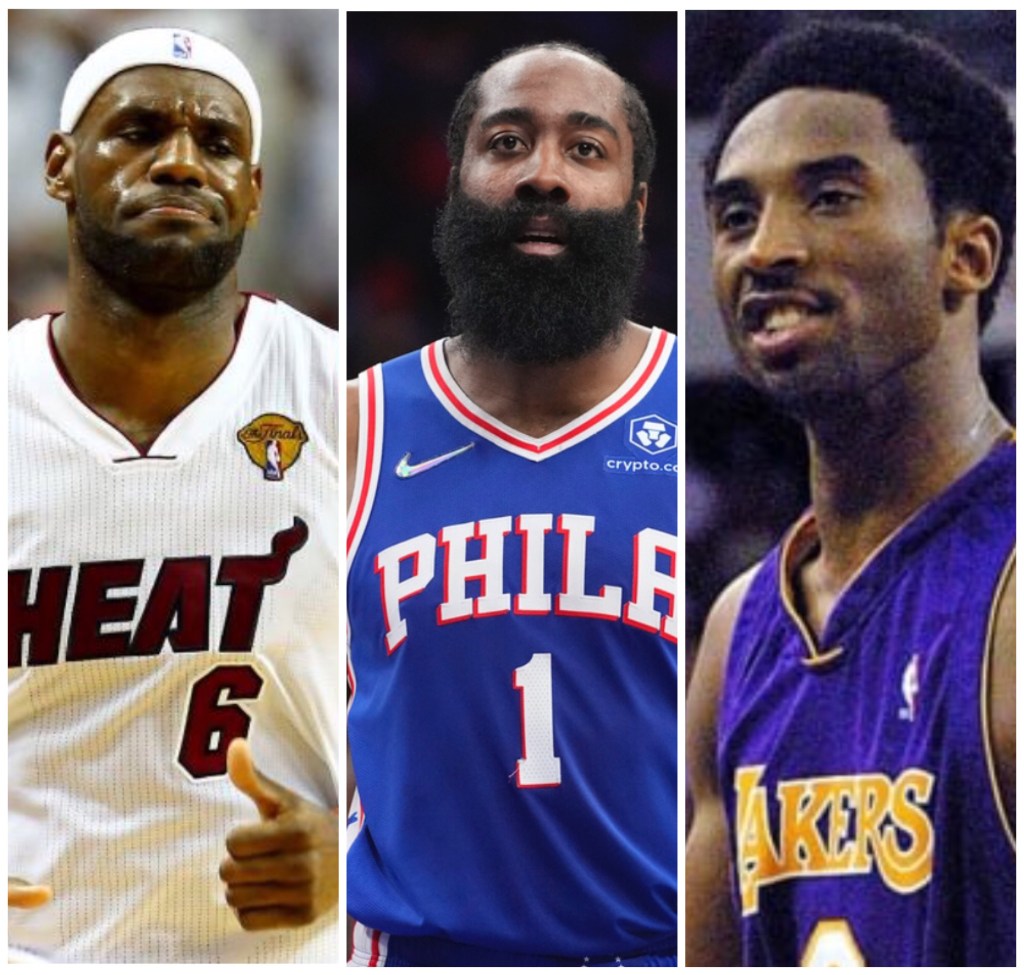
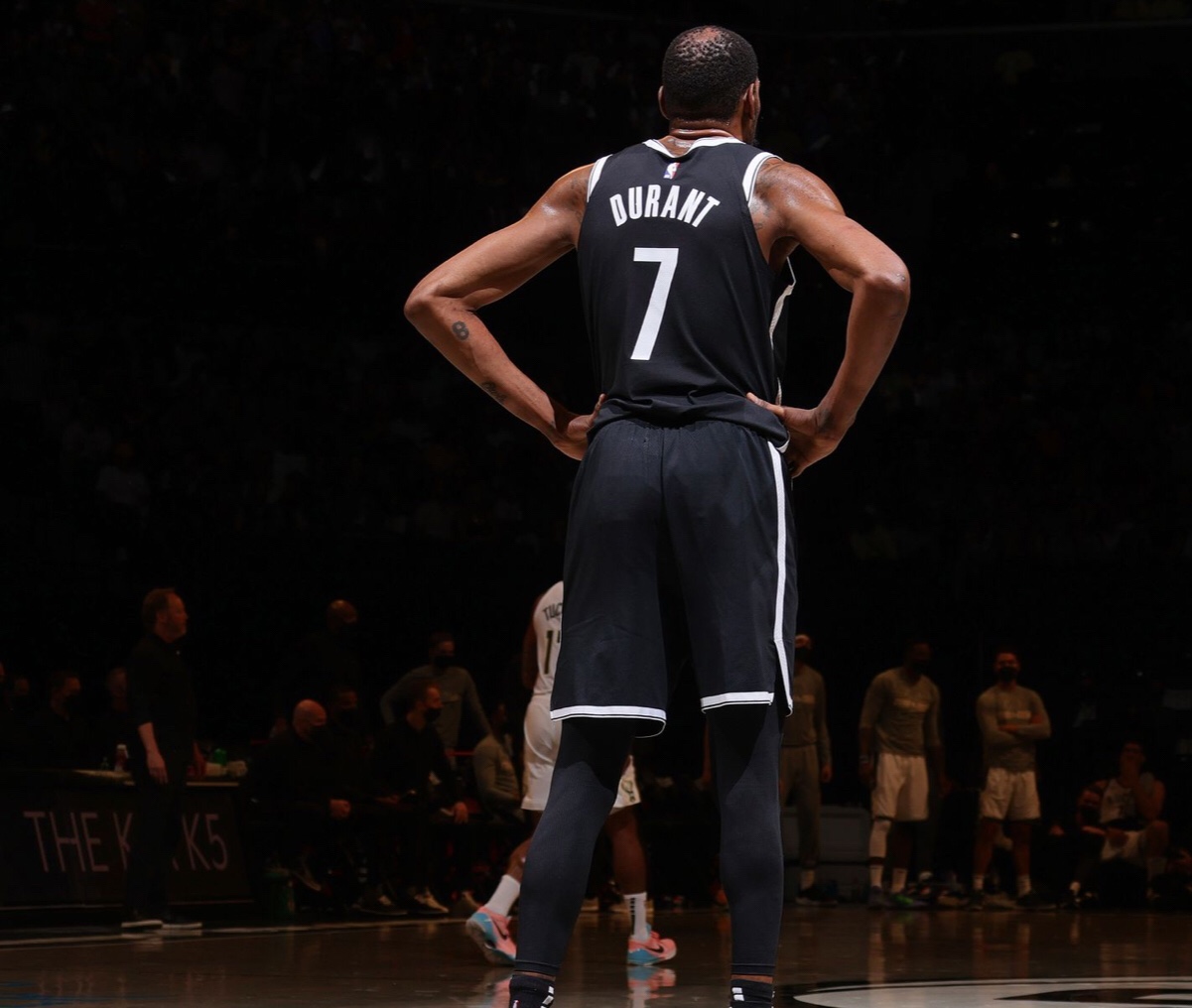
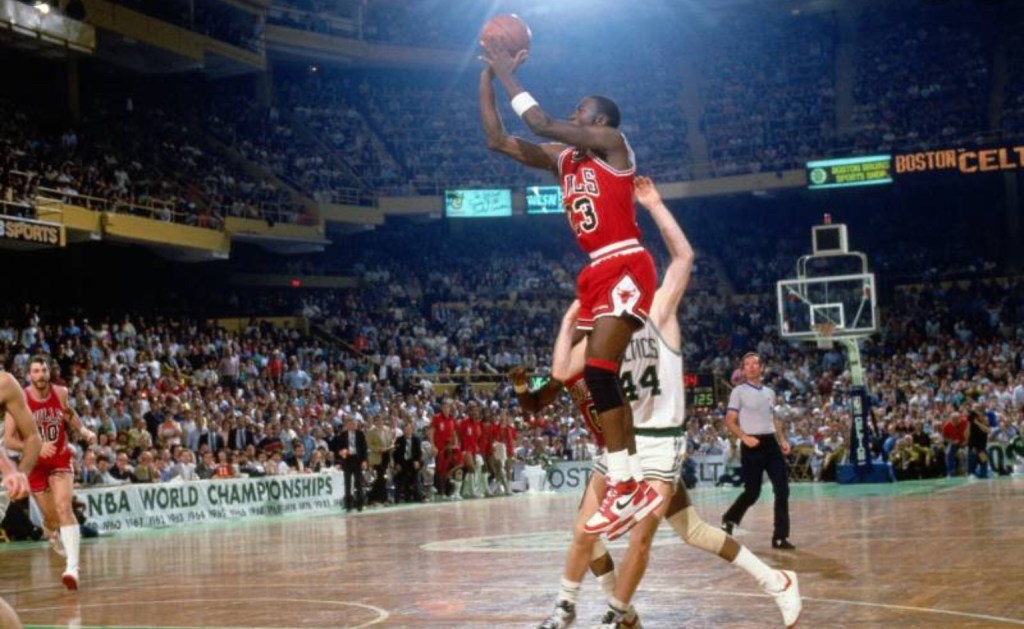
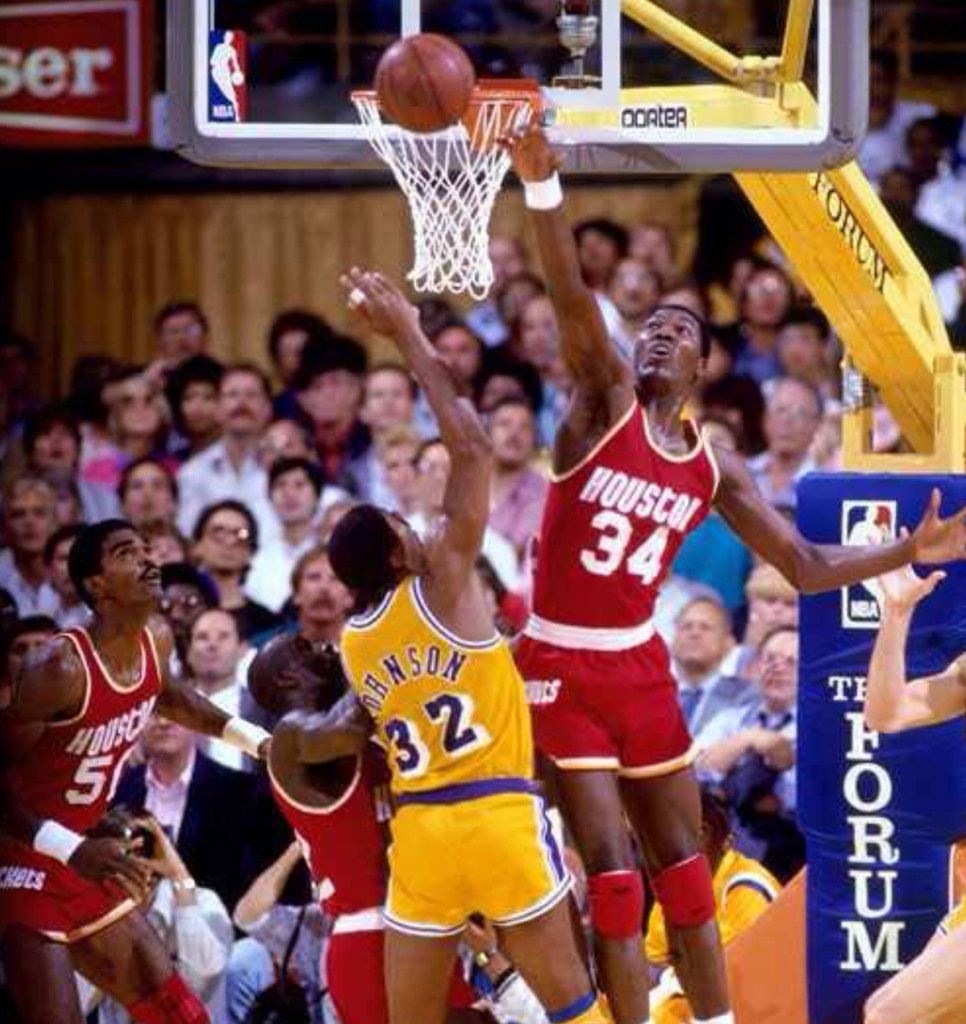
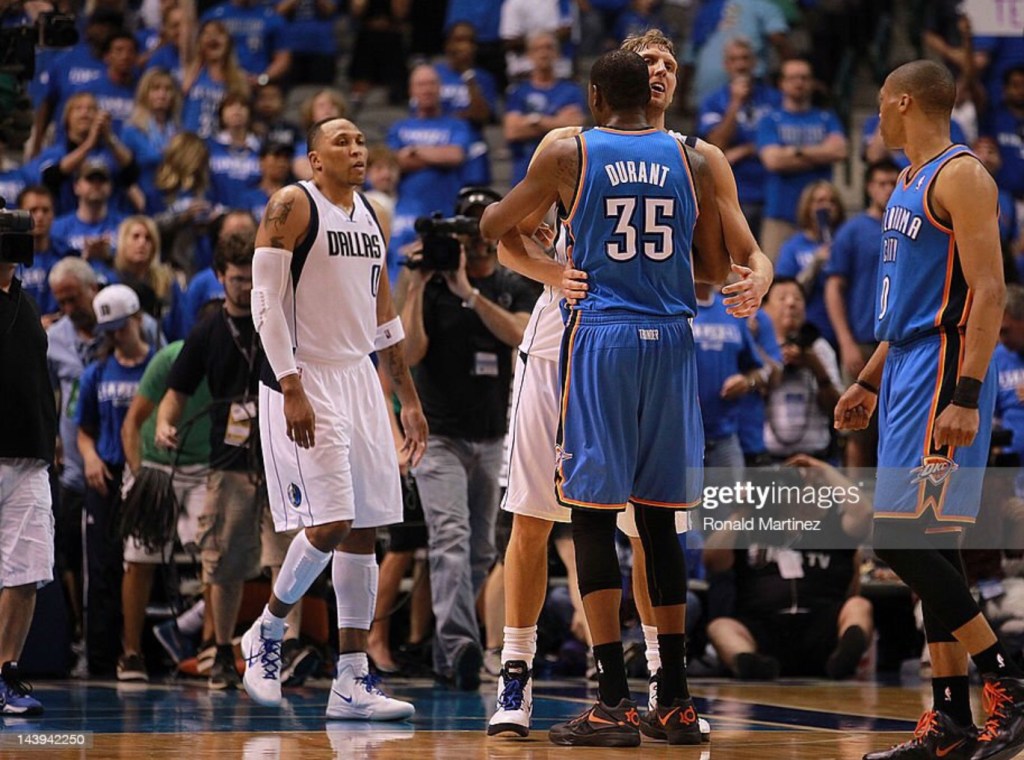
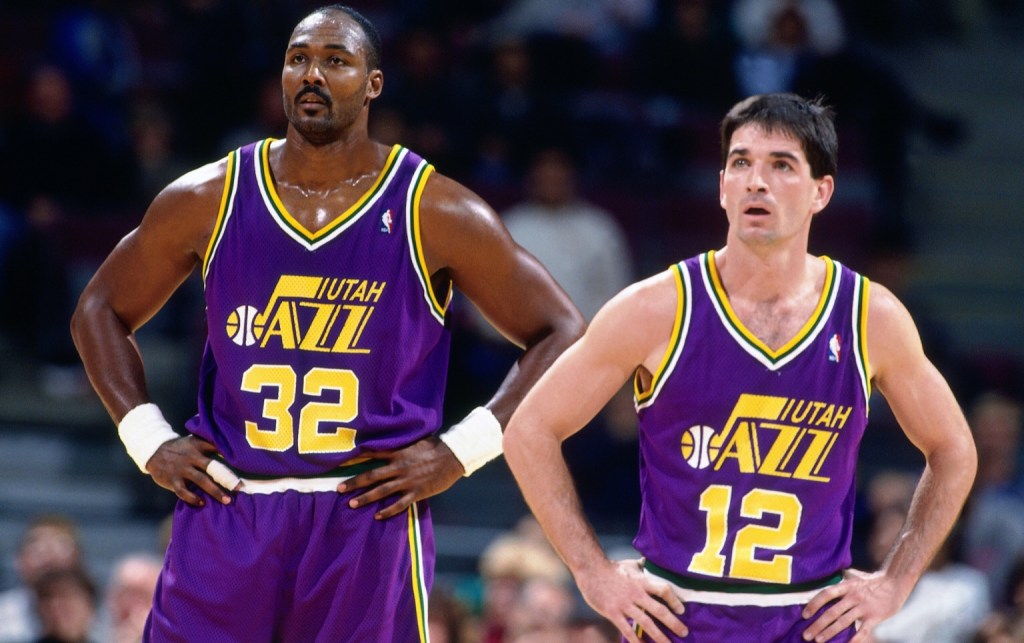
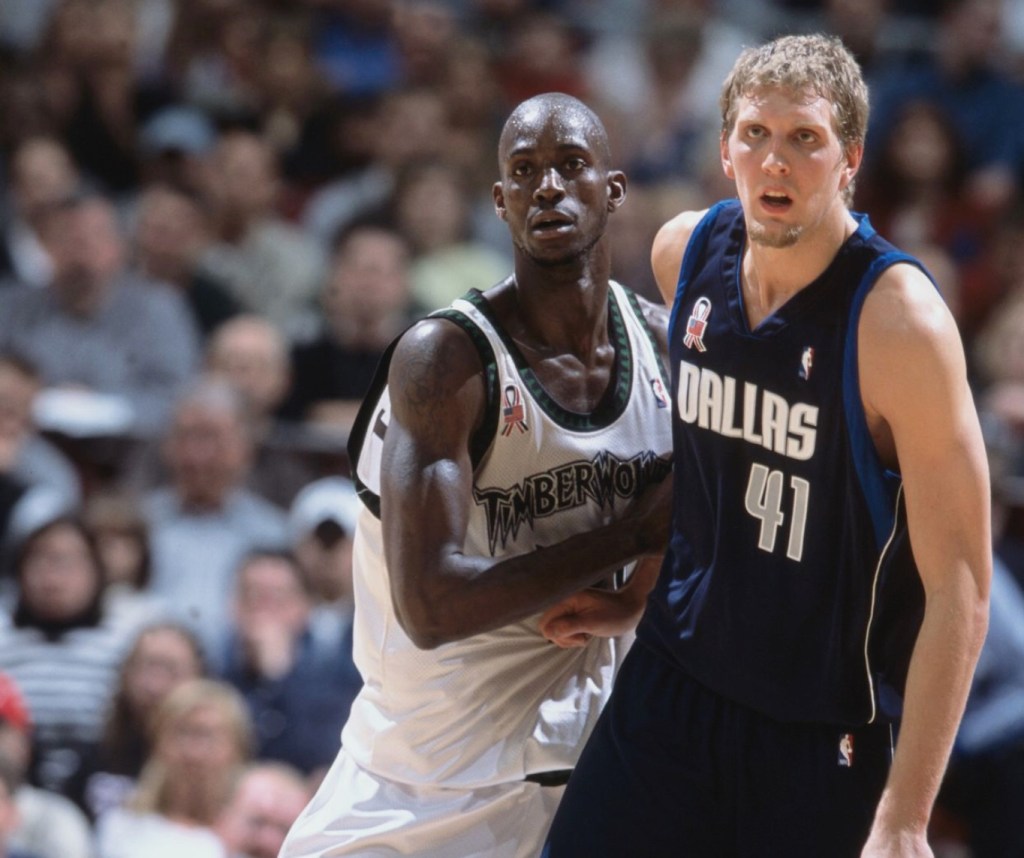
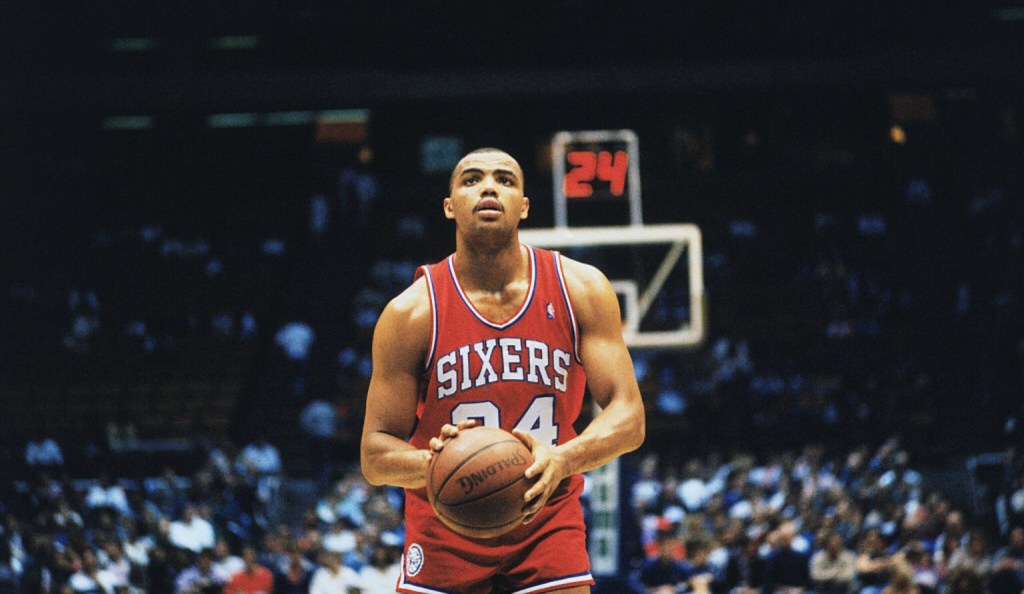
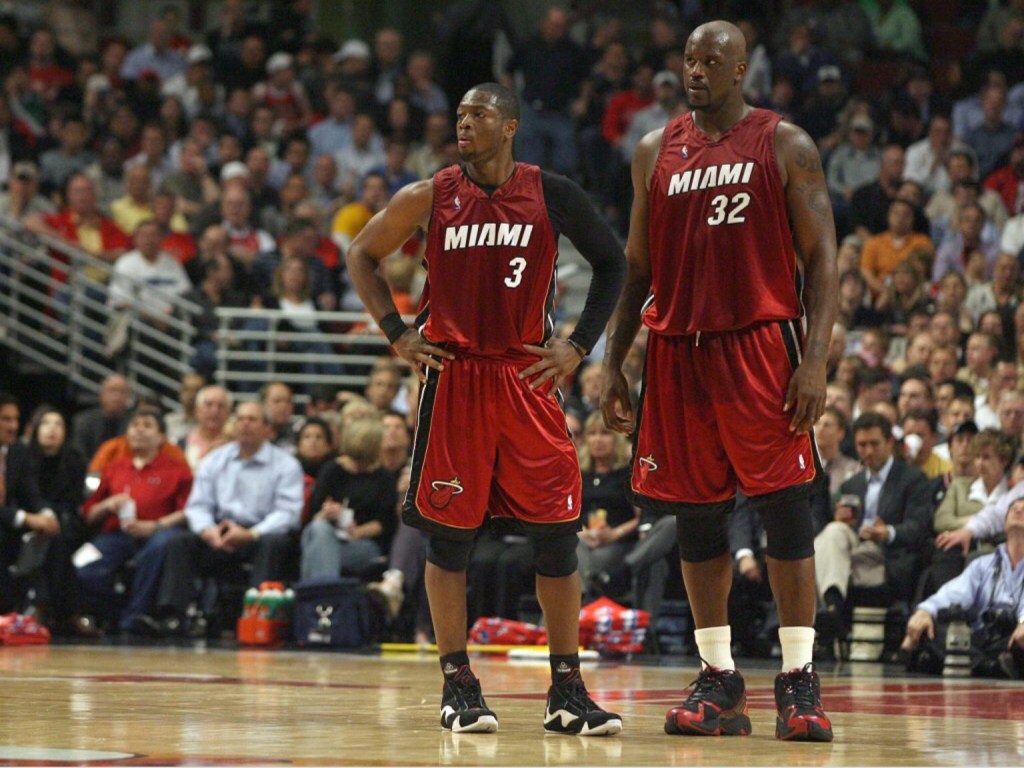


 Christian's NBA Blog